

When NOT To Scold A Child? 15 Behaviors To Understand.
Parenting is a privilege and comes with so many beautiful moments. It comes from honest mistakes and big emotions. And I know, being a parent, it is hard to handle such tantrums, and you may end up saying, “How many times do I have t tell you?”
Young toddlers and toddlers make spills, make mess, refuse to listen and sometimes do such things that make parents scold them and then they start crying. Some parents believe that scolding is the quickest way to handle a child.
But sometimes, a child may not need a scolding as it harms their emotional behavior and mental development. They need guidance, repetition, comfort and boundaries. But how to know, “When not to scold a child?”
There are a few behaviors as a parent you need to understand. It does not mean that you do not have to scold your child and let him do whatever they want. Occasionally, it works, but instead of it, learn to pause and try to understand the reason behind why your child is behaving so differently.
Here are the list of 15 common behaviors when to stay calm rather than scolding a child.
Stay Calm Instead Of Scolding A Child
1. Overstimulated Child
Let’s understand what Overstimulation is. Your baby is crying, becoming cranky, and you do not know what to do.
We all know about this term but by different names. A disturbed sleep schedule, busy noises, loud sounds, sick and crowded environment and change in routine can make the baby overstimulated. My toddler sleeps on time at the age of one, but loud noises make her overstimulate too.
An overstimulated child becomes restless, loud, uncontrollable, emotional and infected. It is commonly said in every family, he needs to sleep, which means he does not complete his sleep or power nap, which makes him cranky all day. It takes days, weeks or sometimes months to settle their routine.
Take this as a parenting tip that, rather than raising your voice when they misbehave, consider whether they need a quieter environment and let them calm by saying, “Let’s take a break, this place is quite crowded.” Changing the environment helps in reducing stimulation.
2. In Front Of Other People
Children do feel shame and bad, just like adults. Correcting your toddler or child in public makes them feel embarrassed, especially in front of their friends. And if you do that in public, most probably they will not try to understand but start crying or answer you back.
This one parenting tip is always and always work, have the conversation in private with calmness. This way, they try to understand things, not immediately but soon. Instead of, “Why are you crying? See everyone is watching us. Stop it right now!”
Try to say, “This place might not fit to you. Let’s go outside,” then ask about the issue. You will get the answer you are not ready for. The more a child feels safe, the more he tries to communicate and will not hide mistakes just out of the fear of being scolded.
3. Still Learning A New Skill
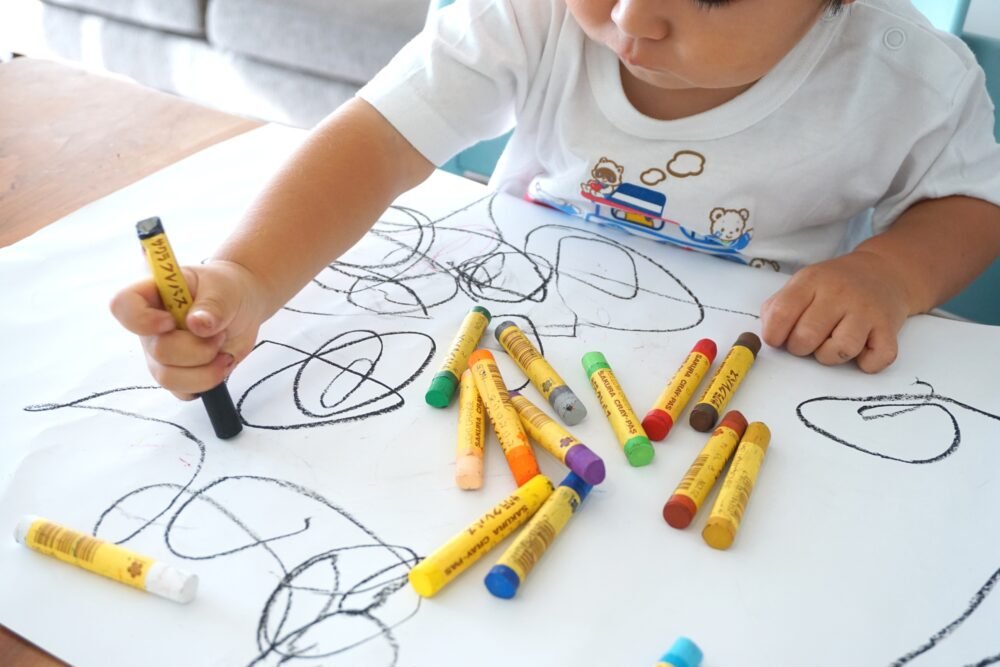
While doing something new, mistakes can be a part of play and learning skills. Just by explaining a rule once, parents should not assume that a child understands it well. Repeating the rule without yelling really helps them understand.
And if the kid seems confused, show them what to do instead, so they will learn in a proper way. They need repetition for learning and that goes for days, weeks and maybe a few months. Explain boundaries rather than immediately scolding them.
Moreover, young children do what they see around them and try to copy that. One day I was doing dishes and my two-year-old daughter came to me and said, “Mom, I will do that, you just leave it.” The next morning she was cleaning only one spoon with a big smile. After that, I stopped scolding her and changed my behavior and actions.
Serve them with a few examples: “Do not throw your Minnie Mouse, she might hurt and start crying.” Play gently.” Sometimes, clear explanations help children understand what and why a rule exists.
4. Apologizing For Their Mistake Or Being Honest
When your child is genuinely accepting his mistake or apologizing for a mistake, and you are trying to scold him, they will start hiding the truth.
An accident does not necessarily need a rude reaction. First check everything is good, not hurt. Of course, that does not mean you should ignore the mistake, but you can correct their behavior without making them feel that being honest was a mistake.
Also Read: How to satisfy the Sweet Cravings of your baby?
5. Accidental Mistake
Accidents are meant to happen. And with a child it is definitely going to happen—spills, drops and messes.
For example, your child spilled a glass of milk, instead of scolding your child, “I knew that, you will definitely spill the milk.” Take a pause, help him clean the table and tell them that next time we place the glass at the center of the table, so the milk will not spill.
Help your child to learn from mistakes without making them afraid of making mistakes. Mistakes are an opportunity to learn something, not a reason for shame.
6. Having An Emotional Reaction Or Crying
When your baby is already crying or giving you an emotional reaction and at this moment, you try to make them understand by saying “Stop crying!” or “Behave!” during a meltdown. Trust me they will not.
Instead, respond soft and gentle, “What can we do in this situation? Let them calm and then talk about what happened, or what we should we do?” Hug them, once the child calm and then you can explain the rule. This is how you can teach them emotional understanding while setting boundaries.
7. When They Come To You With Their Problem
Toddlers and children will make the wrong choices, have a fight with their best friend or get into a difficult situation. And, if you really want your child to come to you when life gets difficult, then you should first respond to their problem; that really matters to them.
Rather than saying, “Why are you going there?” just listen to them about their problem and ask them: Are you hurt? Are you okay? What happened? Because sometimes, connections have to before correction, and it does not really mean that we should ignore bad behavior. Wait for the right time and tone. So, your child will learn from his mistake instead of learning to fail your reaction.
8. Hungry Child
Hunger can affect anyone’s mood and a hungry child may not say that they are hungry, especially with toddlers who do not know how to communicate. Hunger cues differ from child to child, and it shows through their behavior and body cues.
Instead of shouting and scolding a cranky toddler, “Why is my child so irritable, cranky and impatient?” Try to remember what they have eaten recently? A toddler who has missed a snack or any meal may become different, disobedient and emotional.
Also Read: 8 Iron Rich Food Recipes
Being tired and hungry are two common triggers for tantrums. Try to offer a snack or break. Just after a few bites, you may find a calming child who is ready to listen and play.
9. Does Not Know The Rule
Toddlers do not know about rules, especially young ones. And a few parents assume that explaining a rule or saying it one or two times makes them understand the child itself.
If your child does something he did prematurely, but repeating it again and again, explain the boundaries in a proper way rather than scolding them. I know it is hard, but this is how babies and toddlers understand. They need repetition.
My 20-month-old daughter threw all her toys on the floor. I explained to her the rule and kept on repeating it. At times, I felt exhausted by saying a thing again and again, but then I understood she did not know. Maybe she understood over time. And after 4 months, she was aware of the boundaries I told her. Sometimes, a clear explanation helps your child see why a rule exists.
10. Trying To Communicate
Young toddlers may not say or express what they want. They might become cranky, interrupted and repeating themselves because they do not have the right words to say.
And only a mother can understand what a child wants to say — “The wearer knows where the shoe pinches.” But for others, instead of yelling at the child, you must focus on what the child wants. Ask them: “Do you want something? Point your finger there.”
Explain to them the exact word or sentence afterward. This will help you to interact with your child and develop their communication and language skills easier.
11. When You Are Extremely Angry Or Tired Yourself
Here, you need to take a pause because this one is quite important. Toddlers and children often misbehave when their parents are exhausted or frustrated, because a response of anger may escalate things with their child or partner.
If you ever feel you are losing your temper, take a deep breath and think about that little cute face. Just lower your voice and give yourself some time before any response. You do not need to solve the situation the exact second it happens.
However, if a parent talks, a child will learn that too. It commonly says, “If you want calm kids, be a calm parent.” The parent’s first duty is to calm the child and then address the issue softly. That’s how you will regulate emotions.
12. In Dangerous Or Emergency Situations
When you see your child in danger or any emergency situation, immediate action should be taken rather than scolding. Check if someone is hurt.
For example, if a toddler touches a hot cup or grabs a knife, you really do not need to shout “NO”, “Do not touch” and panic. Remove the danger and ensure that they are safe. Explain the safety to the child and teach the rules afterward.
13. Seeking A Connection or Clinginess
Some children do things for the sake of attention or clinginess. And sometimes, children play in a different way to get their parent’s attention.
My daughter does such things to make me laugh. And if I laugh for the very first time, she keeps on doing that multiple times to make me laugh and everyone too. But sometimes we do not accommodate this unwanted attention behavior. And if they misbehave while you are on the phone just to want some attention, scolding them can backfire.
Just look at your child and say, “Do you want me? Just give me 5 minutes.” A few minutes of distraction of reading a book, playing or a little talk with them may help you.
Children should be disciplined and obedient, but they also need to feel connected to their loved ones.
14. Going Through A Big Change
Like adults, toddlers may behave when their daily routine changes. Starting solids, preschool, a sudden visit of a guest, teething, traveling or a major change in a routine can lead to more tantrums, emotional and crankiness.
Rather than scolding a child, consider whether a child is having a hard time. Give them extra care, love and reassurance by saying, “I love you so much.” Parents, your sensitive response helps a child to feel secure rather than scolding a child.
15. Age-Appropriate Behavior
Rather than expecting from a child as a parent, do you really ask yourself if your child is actually capable of doing such things? This is the most important thing that a parent can ask himself.
Toddlers do not share or follow things as their parents say. The 18-month-old is struggling with communication, emotions, patience and problem-solving skills. So, scolding them for this natural behavior can give them emotional stress and harm their confidence. Try to adjust expectations and guide them with love.
For example, a 2-year-old throws a toy when upset or refuses to share their meal. Your scolding behavior may hamper the child. A toddler who wants to do everything independently is not difficult. He just wants to explore, nothing else. Expecting too soon or play-together behavior may lead you to trouble.
Teach them by giving turns with toys, “Now, my turn, or a meal with the choice, “Which one do you want?” This is how parents can set realistic expectations. This does not mean ignoring inappropriate behavior, it does mean teaching your child according to their age and abilities. Do not force, just focus, as some young children achieve their milestones early and some takes time.
And this doesn’t mean ignoring inappropriate behavior. It means teaching children skills according to their age and abilities.
FAQs On When Not To Scold A Child?
1. What should I do if my child does not listen?
Check their basics and ensure that your child has your attention. Instead of scolding, give them a short and clear explanation. Staying consistent and patient is a key. Before your child fulfils your expectations, address theirs too.
2. How can I discipline my child without yelling?
You must get down to their level and use positive instructions, calm behavior, clear boundaries and age-appropriate things.
After they have finished the food, praise them, “Good job, and if he stands on his toes, they only correct him by saying, “Feet stay on the floor or stand properly.” Over time, these encouragement methods will give you a positive outcome.
3. Should I scold my child during a tantrum?
No, you should not immediately. During a tantrum, a toddler’s consciousness is the problem. Consider their safety and calmness first. Scolding or shouting during a tantrum can worsen the situation. Once they are out of the tantrum, ask what happened and explain to them the rule boundaries.
4. Is it okay to scold a child sometimes?
It should be occasionally not regularly. Children bear occasionally, but it should not be humiliating and harsh. Set your boundaries while explaining what should be done if the child does something wrong and what they can do in another way.
5. How does scolding affect a child’s brain and emotions?
Being harsh, fearful, assumptions and discouragement affects their emotional hormones and changes brain development. These reactions can make them irritable and stubborn all the time. Calming corrections and the environment can help boost the brain and support emotional growth.
6. What should I do, if scolding has become a habit for me?
Take a few deep breaths and lower your voice. Take help if you need help to break the habit, replace your words to provide calmness to the baby rather than scolding a child. Rest, consider parenting counseling.
Avoiding unnecessary yelling and scolding does not mean letting your child do whatever they want to. Set some boundaries with your child. Consider love and care rather than scolding your child. Tell them what should be done and what they can do rather than what they should not do.
We will soon post, “What should be done instead of scolding?” Waiting for your comments and queries.